For sponsors: industrial portfolios
Product pages, first screens and answer engines, checked at each industrial company you own.
Five checks per company: ChatGPT and Gemini answers for what it makes, the homepage title and heading, product pages kept through catalog changes, load time on a phone, and supported server software with DMARC. One line per company.
The checks sit under each company's web and marketing firms, not instead of them.
Send the domainsWhat each company's five checks look like
Example rows, each from a site read on 31 October and 1 November 2026, names left out.
What failing looks like
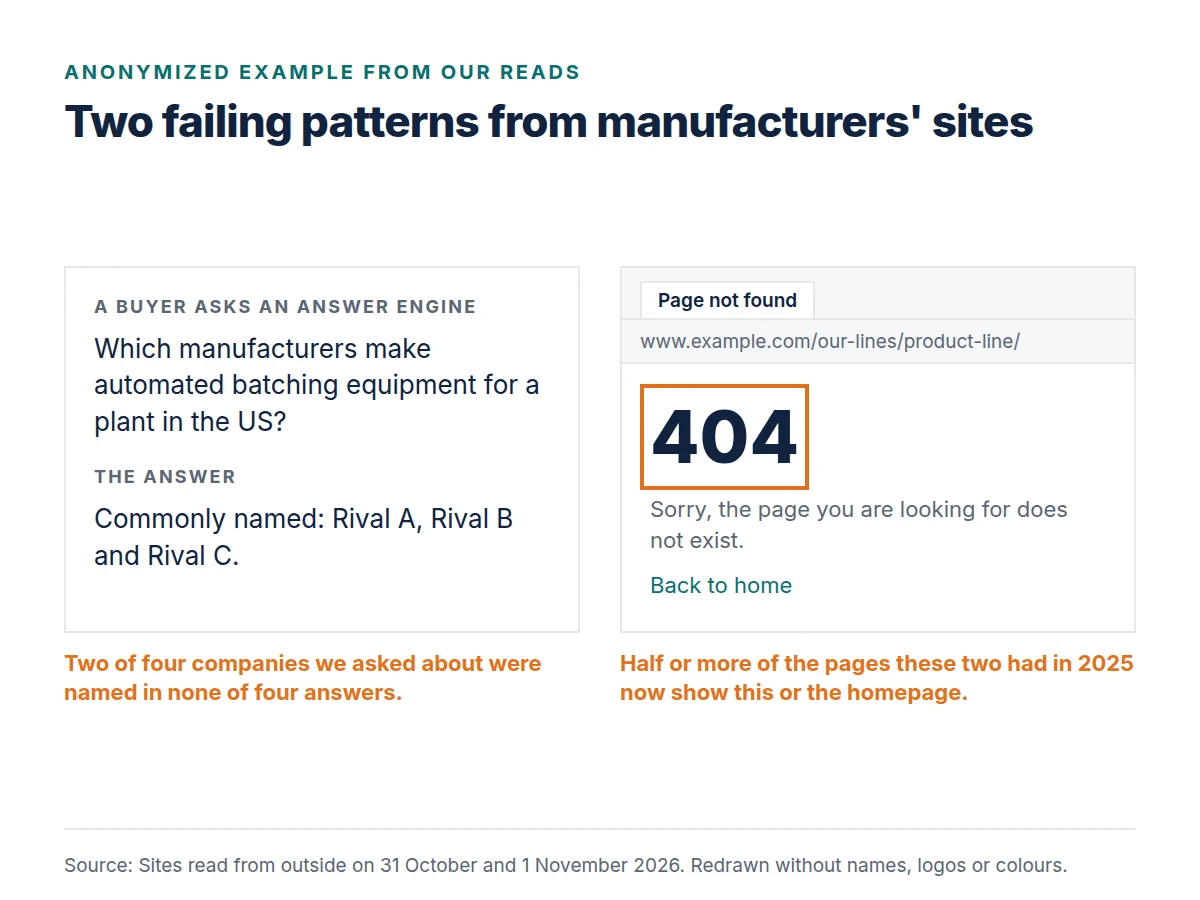
Two patterns from the sites we read, redrawn without names: answer engines that name rivals for what the company makes, and product pages that disappeared in a catalog change.
The five checks
Each check reads a company's site from outside, the way an engineer or a buyer meets it. Under each is what failing looked like on a site read on 31 October and 1 November 2026, with the company's name left out.
1. Named in ChatGPT and Gemini answers for what you make
What passesAsked for a maker of what you make, ChatGPT and Gemini name you.
What failing looked likeA maker of concrete products machinery, about 500 people. We asked ChatGPT and Gemini, twice each, which manufacturers make automated concrete batching and mixing equipment in the US. None of the four answers named it, and three named the same rival.
2. A homepage title and heading that name what you make
What passesThe page title and main heading say what you make and where. They are the first words a search engine reads.
What failing looked likeA sheet metal fabricator of about 200 people. Its homepage main heading carries no words, so the first line search engines read does not say fabrication or its city.
3. Product pages kept through catalog changes
What passesProduct, line and datasheet pages that engineers saved and other sites link to stay live, or point to their replacement.
What failing looked likeAn adhesives and sealants distributor. 20 of 30 pages that were live in 2025 now show a not found page or the homepage, among them a product line page still live in June 2026 and a product page for a nozzle assembly.
4. Pages that load on a phone
What passesProduct and quote pages show their main content within Google's 2.5-second line on a phone.
What failing looked likeA fastener maker with 17 US locations. On phones its site takes 4.4 seconds to show its main content.
5. Supported server software and protected mail
What passesThe server runs a PHP branch that still gets security updates, and your DMARC record asks inboxes to refuse mail forged in your name.
What failing looked likeA contract manufacturer of about 225 people reports PHP 8.0.30. Upstream security updates for 8.0 ended in November 2023, and in October 2026 a PHP flaw let anyone run code on unpatched servers. Some hosts patch 8.0 themselves, so it is worth asking the host.
What the checks found on 7 manufacturers and distributors
Makers, distributors, a dealer and an industrial services company in the US, 200 to 500 people each, read from outside on 31 October and 1 November 2026.
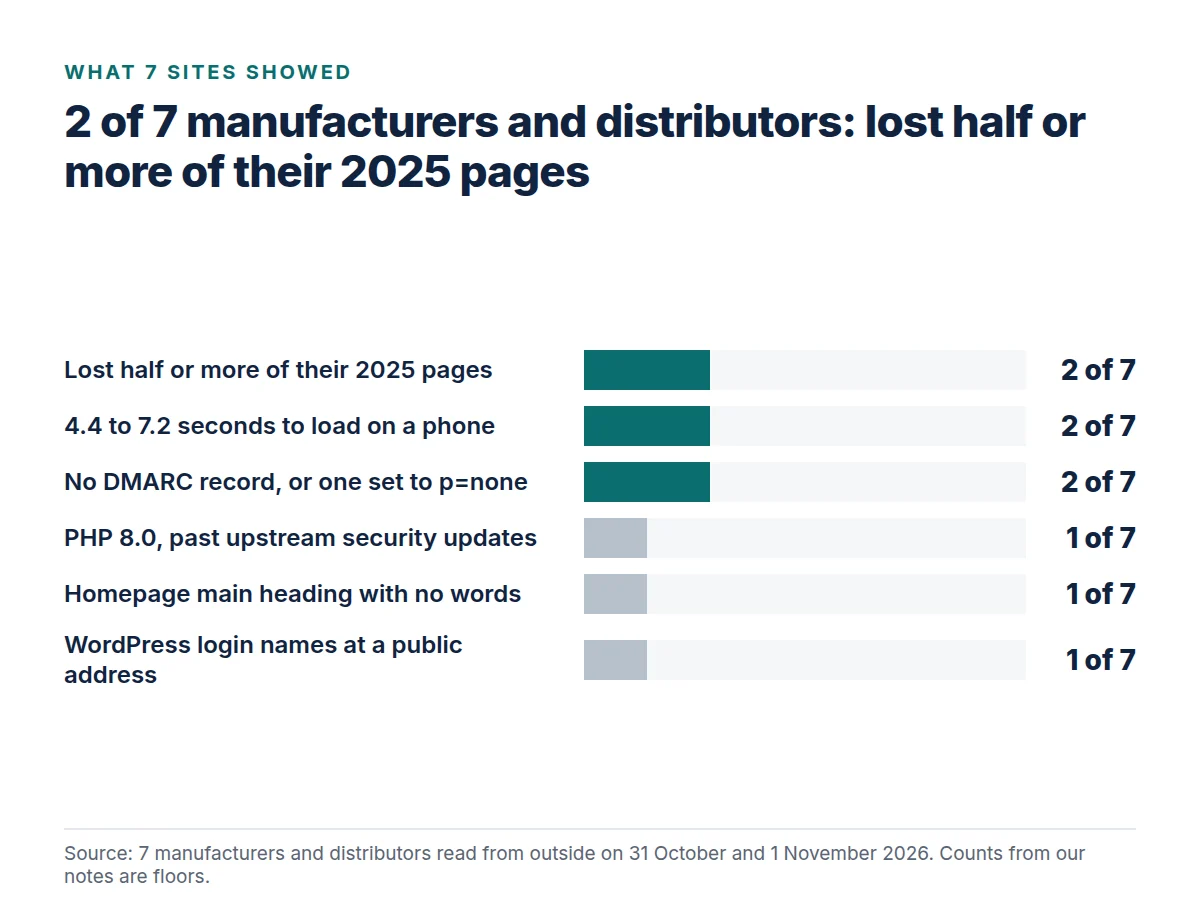
- We asked ChatGPT and Gemini about 4 of them, twice each, with a buyer's question. 2 were named in none of the four answers, 1 in one, and 1 in four.
- 2 lost 15 and 20 of the 30 pages they had live in 2025, product and service pages among them. Four other websites still link to one of the lost pages.
- 2 take 4.4 and 7.2 seconds to show their main content on a phone, past Google's 2.5-second line.
- 2 have no DMARC record, or one set to p=none.
- 1 runs PHP 8.0, whose upstream security updates ended in November 2023.
- 1 has a homepage main heading with no words.
- 1 publishes its WordPress login names, and 26 images on its homepage have no text description.
Counted from our notes on each site, which keep the two or three strongest findings, so the true counts can be higher. Sites change, and some of these may have been corrected since.
Case studies
Brand van Egmond, lighting maker
Brand van Egmond, the lighting maker, is one published case of ours. We rebuilt how enquiries reach Brand van Egmond's sales team, so each quote request arrives with consistent context.
DevriX case study, published September 2026.
Commercial vehicle distributor, 2024
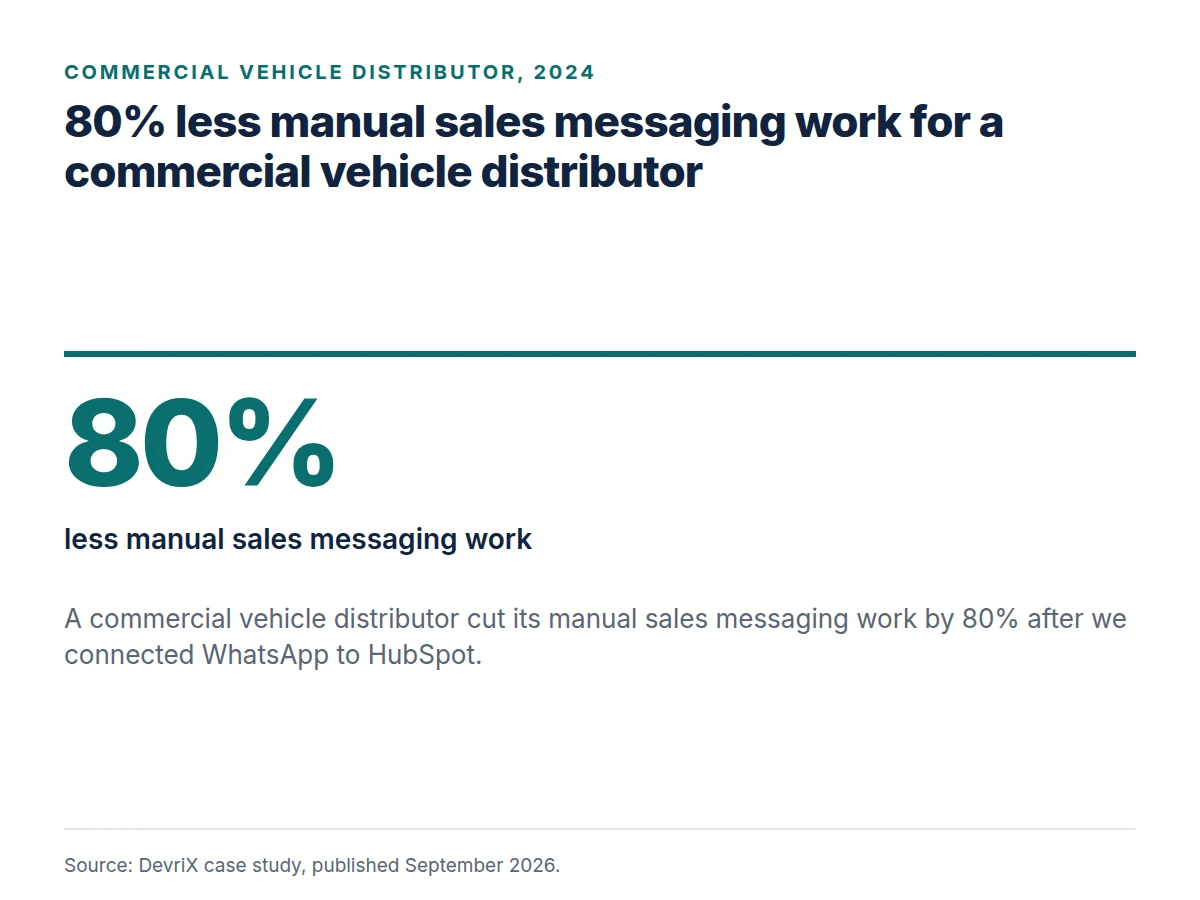
A commercial vehicle distributor cut its manual sales messaging work by 80% after we connected WhatsApp to HubSpot.
DevriX case study, published September 2026.
Rather than waiting to be told exactly what to do, Devrix's team thinks through user and UX challenges and come up with clever solutions…
VP of Marketing, a security hardware maker (Clutch review)
How it works
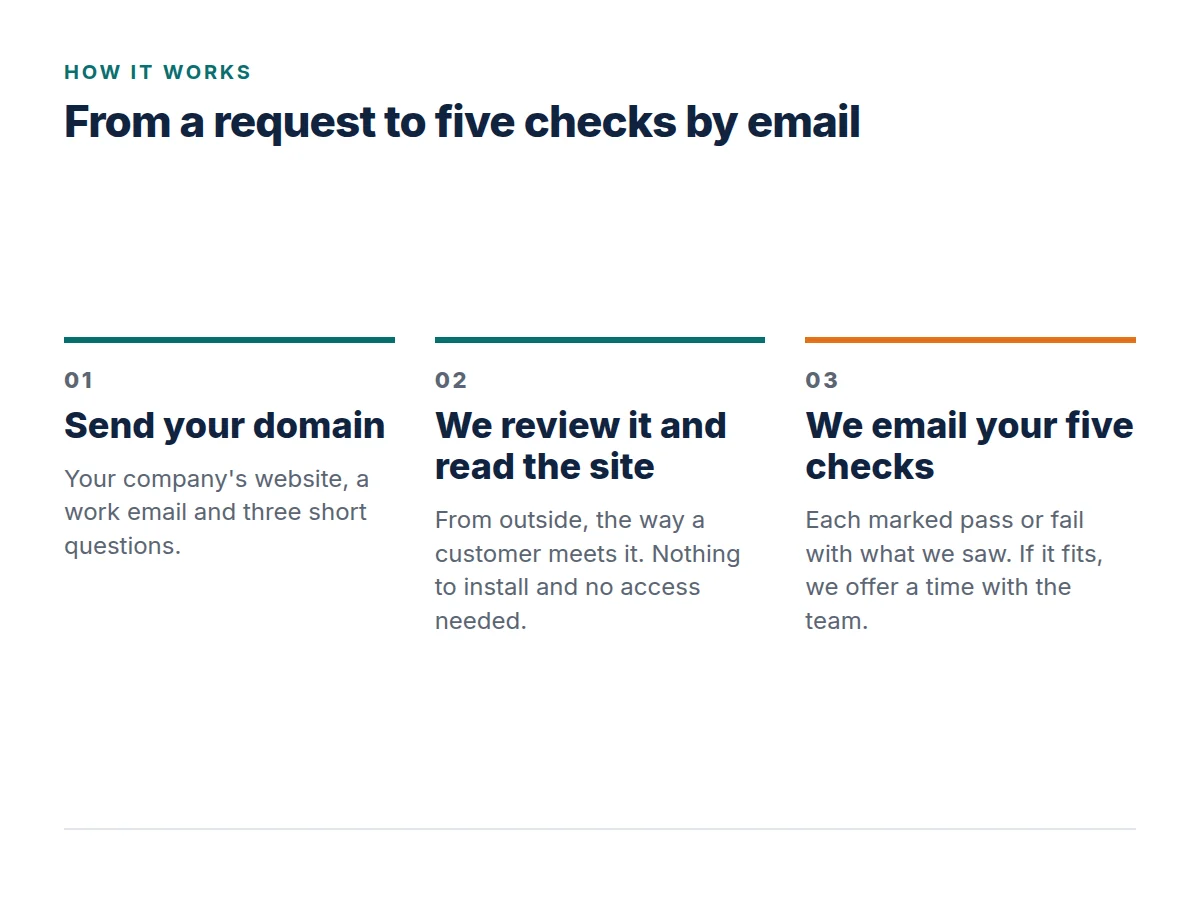
The portfolio companies' websites, a work email and three short questions.
The way a customer meets each site. Nothing to install and no access needed at any company.
Each company, each check, pass or fail, with what was seen. If it fits, a time with the team is offered.
Who does the work
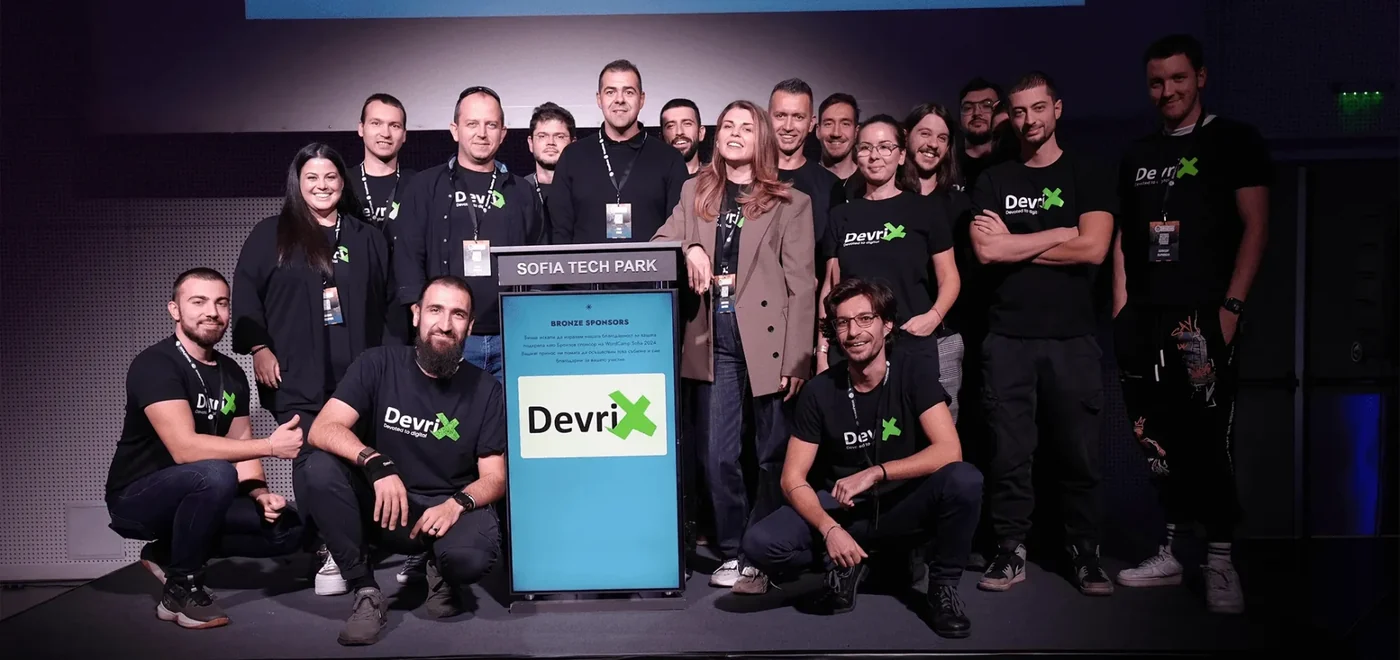
Growth Shuttle advises, and DevriX runs the checks and the work behind them.
- DevriX has operated since 2010
Questions
What does the work cost?
Work at a portfolio company starts at $10,000 a month, and its scope comes from what the checks find.
What is needed from the fund?
The companies' websites and a work email. Each site is read from outside, so no logins, access or data are needed at any company.
What do the five checks cover?
Named in ChatGPT and Gemini answers for what you make, a homepage title and heading that name what you make, product pages kept through catalog changes, pages that load on a phone, supported server software and protected mail, each marked pass or fail for each company.
Who is this for?
Sponsors with manufacturers, distributors or dealers in the portfolio.
What happens after the domains are sent?
Each request is reviewed. If it fits, the checks come by email with an offer of a time with the team.
Does this replace the companies' web or marketing firms?
No. The checks sit under each company's web and marketing firms.
Send the domains and get five checks for each company.
Each request is reviewed. If it fits, the checks come by email with an offer of a time with the team.
Thank you. The checks will come by email.
Growth Shuttle advises, and DevriX runs the checks and the work behind them.